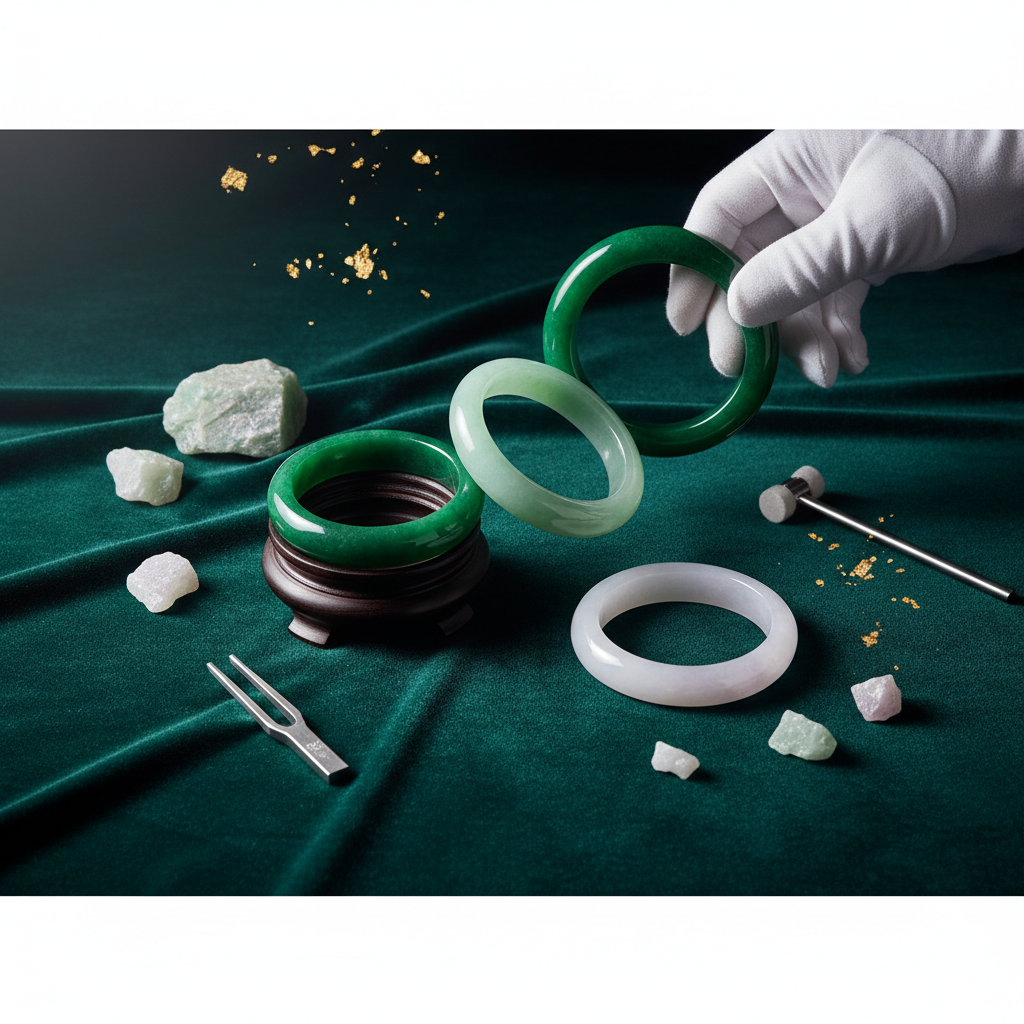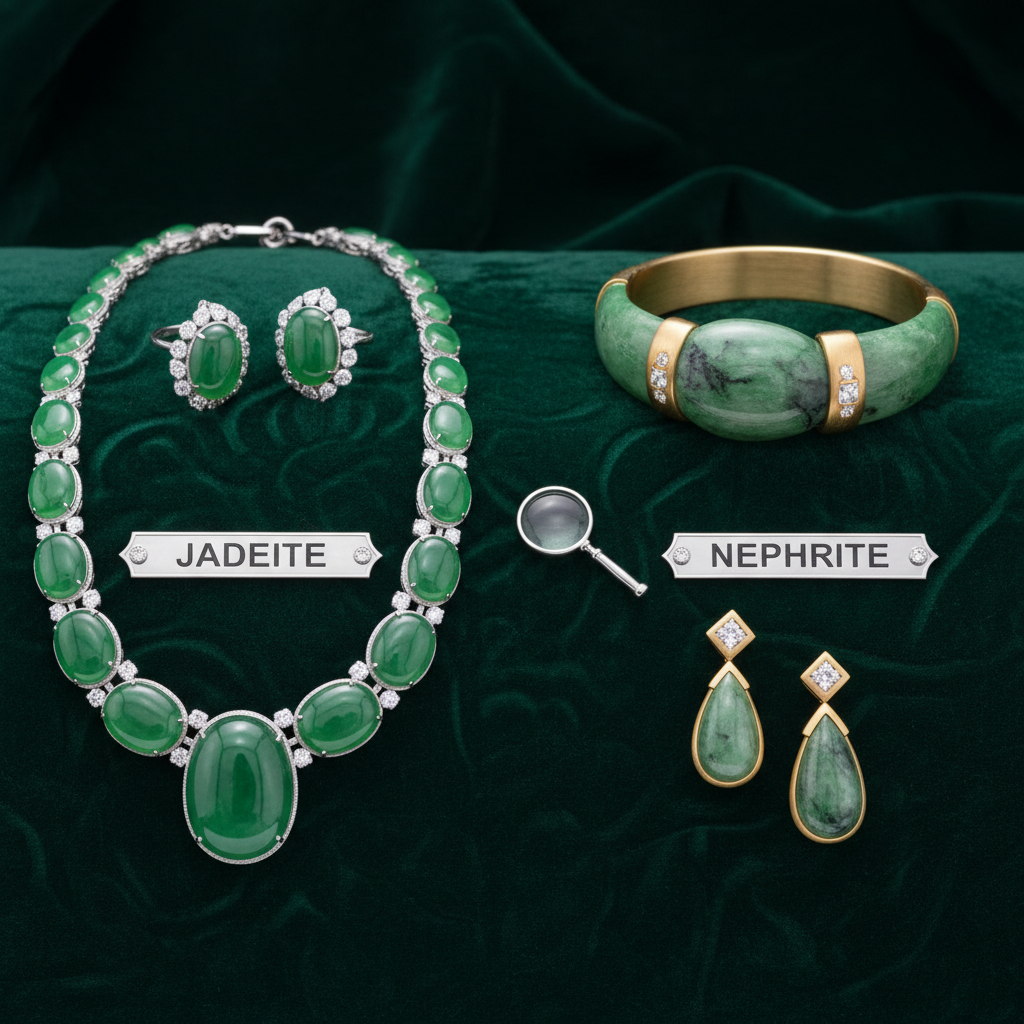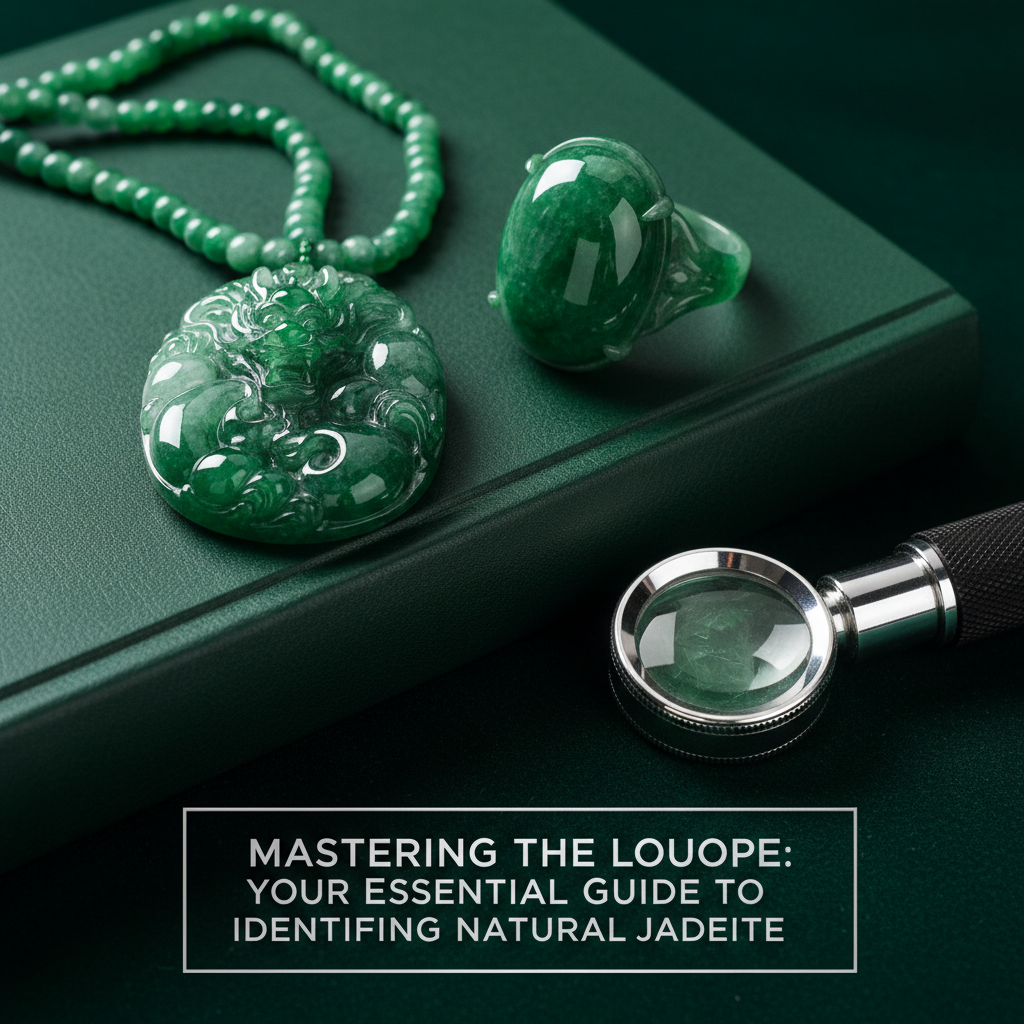
Burmese Jade vs. Chinese Jade: Key Differences Explained
Often, when people talk about 'Chinese Jade,' they are referring to a broader category that includes various minerals, while 'Burmese Jade' specifically denotes high-quality jadeite from Myanmar. Understanding these distinctions is crucial for any discerning buyer seeking authentic jadeite jewelry.
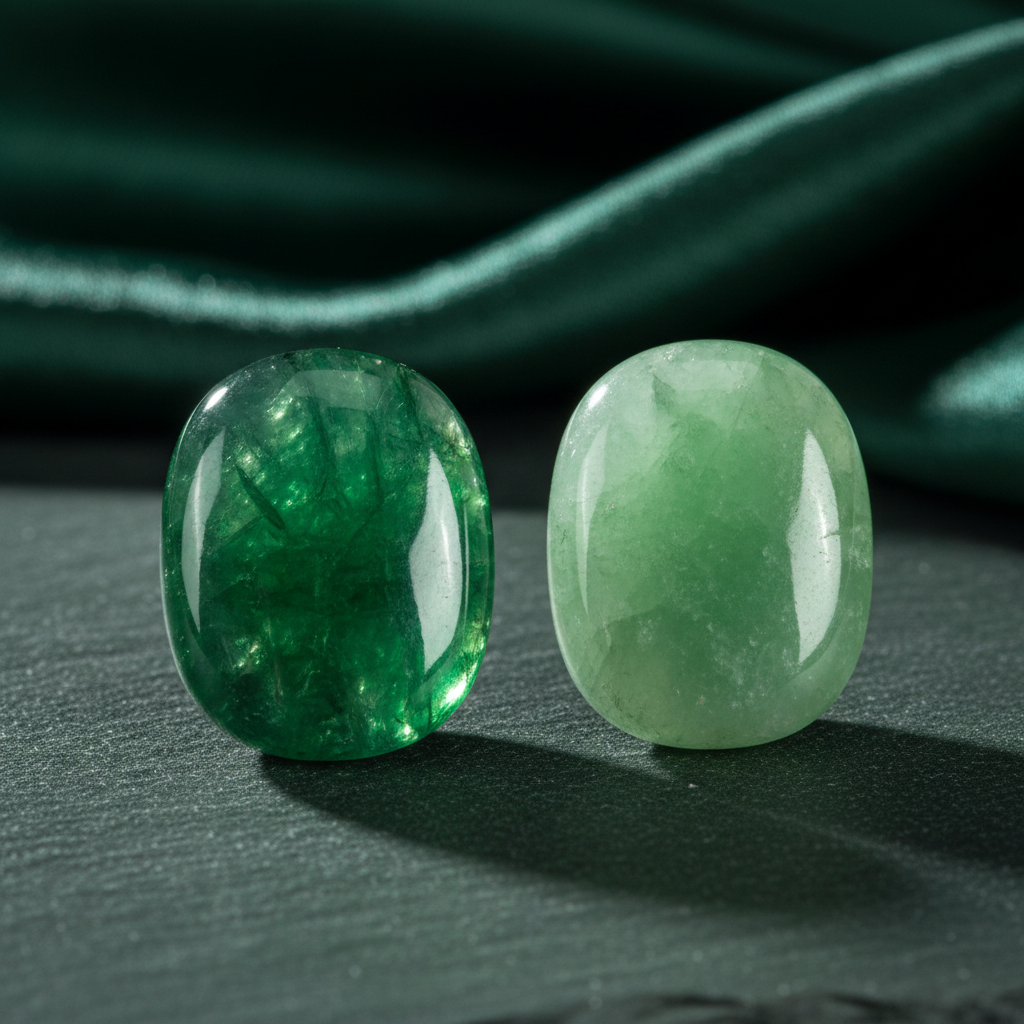
Burmese Jade vs. Chinese Jade: Key Differences Explained
The world of jade is rich with history, culture, and mystique, particularly in Asia. For centuries, jade has been revered for its beauty, durability, and spiritual significance. However, when you hear terms like 'Burmese Jade' and 'Chinese Jade,' it's easy to get confused. Are they the same? Is one better than the other? At JJJadeite.com, we specialize in natural jadeite from Myanmar, and we're here to demystify these terms for Western buyers interested in authentic jadeite jewelry.
Understanding the distinction is not just about geography; it's about mineral composition, quality, and cultural perception. Let's dive into the key differences.
What is 'Chinese Jade'? A Broad Category
When people refer to 'Chinese Jade,' they are often using a cultural term rather than a specific geological one. Historically, China has been a primary consumer and artisan of jade for thousands of years. However, China itself is not a significant source of the highest quality jadeite. Instead, 'Chinese Jade' typically encompasses a variety of minerals that have been historically valued and carved in China, including:
- Nephrite Jade: This is the traditional 'Jade of China,' mined for millennia in regions like Xinjiang (Hotan jade), Qinghai, and Liaoning. Nephrite is a calcium magnesium silicate and is known for its greasy luster and often muted colors, ranging from creamy white to dark green, black, and even yellow. It is softer than jadeite but still very tough.
- Serpentine: Often mistaken for jade, serpentine (such as Xiuyan jade from Liaoning) is a softer mineral that can mimic jade's appearance. It's frequently used in carvings and decorative items due to its workability and attractive green hues.
- Bowenite: A type of serpentine, sometimes called 'New Jade' or 'Xiuyan Jade.'
- Dushan Jade: A feldspathic rock found in Henan province, composed of plagioclase, zoisite, and epidote. It comes in a wide range of colors and can be translucent to opaque.
- Other Jade Simulants: Various other green stones, sometimes dyed, have been marketed as 'jade' in China over the centuries, including aventurine, hydrogrossular garnet, and even glass.
The key takeaway is that 'Chinese Jade' is a blanket term that does not guarantee a specific mineral or quality. It primarily refers to jade that has been carved or traded in China, regardless of its origin or mineral type.
What is 'Burmese Jade'? The Gold Standard: Jadeite
In contrast, 'Burmese Jade' refers almost exclusively to jadeite, specifically jadeite sourced from Myanmar (formerly Burma). Myanmar is the world's primary source of gem-quality jadeite, particularly the highly coveted 'Imperial Jade' – a vibrant, translucent emerald green variety.
Jadeite is a sodium aluminum silicate and is distinct from nephrite. Here's why Burmese Jadeite is so highly prized:
- Rarity: Gem-quality jadeite is significantly rarer than nephrite.
- Hardness: Jadeite is harder (6.5-7 on the Mohs scale) and denser than nephrite (6-6.5), giving it a superior polish and resistance to scratching.
- Vibrant Colors: While nephrite has a more subdued palette, jadeite boasts a stunning array of intense colors, including:
- Imperial Green: The most valuable, a rich, emerald-like green with high translucency.
- Lavender Jade: Beautiful purple hues, from pale lilac to deep violet.
- Ice Jade: Colorless to very pale, highly translucent, resembling ice.
- Black Jade: Opaque, often with a deep green sheen when held to light.
- Red/Orange Jade: Caused by iron staining, often found in the rind of the jadeite boulder.
- Yellow Jade: Ranging from pale lemon to intense golden yellow.
- Translucency: High-quality jadeite exhibits a beautiful translucency, allowing light to penetrate and give the stone a glowing, almost ethereal quality. This is a crucial factor in its value.
- Luster: Jadeite typically has a vitreous (glassy) luster when polished, compared to nephrite's greasy luster.
At JJJadeite.com, when we talk about natural jadeite, we are referring to this precious mineral from Myanmar, celebrated for its unparalleled beauty and investment value.
Key Differences at a Glance
To summarize, here's a quick comparison:
| Feature | 'Chinese Jade' (General) | 'Burmese Jade' (Jadeite) |
|---|---|---|
| Mineral Type | Primarily Nephrite, Serpentine, Dushan, etc. | Exclusively Jadeite |
| Origin | Various, often mined within China (Nephrite) or imported | Primarily Myanmar (Burma) |
| Hardness (Mohs) | Nephrite: 6-6.5; Serpentine: 2.5-5.5 | 6.5-7 |
| Density | Nephrite: 2.9-3.0 g/cm³ | 3.3-3.5 g/cm³ |
| Luster | Nephrite: Greasy to waxy | Vitreous (glassy) |
| Color Range | Muted greens, whites, blacks; varied for other types | Vibrant greens (Imperial), lavender, ice, red, yellow, black |
| Translucency | Often opaque to semi-translucent | Ranges from opaque to highly translucent (gem-quality) |
| Value | Varies widely; generally lower than gem-quality jadeite | Highest value for gem-quality, especially Imperial Green |
| Cultural Significance | Deeply ingrained for millennia as a symbol of nobility, virtue | Highly prized for its beauty and rarity, especially in Chinese culture |
Why Does This Distinction Matter for Buyers?
For Western buyers, understanding these differences is paramount to making an informed purchase, especially when investing in jade jewelry.
- Authenticity: Many stones are sold as 'jade' that are not true jadeite or even nephrite. Knowing that 'Burmese Jade' specifically refers to jadeite helps you seek out the genuine article.
- Value: High-quality, natural jadeite from Myanmar commands significantly higher prices than nephrite or other jade simulants. If you're paying a premium, ensure you're getting true jadeite.
- Quality Assurance: Reputable dealers like JJJadeite.com will always specify if a piece is jadeite and, ideally, provide certification from recognized gemological laboratories (e.g., GIA, GRS, Mason-Kay) to confirm its natural, untreated status (Type A jadeite).
- Investment: Natural, untreated Burmese jadeite, especially in desirable colors and translucency, has shown consistent appreciation in value, making it a sound investment.
Conclusion: Choose Wisely, Choose Jadeite
While 'Chinese Jade' broadly represents a cultural tradition of jade appreciation and carving, 'Burmese Jade' specifically refers to the exquisite and highly valued jadeite from Myanmar. For those seeking the pinnacle of jade beauty, durability, and investment potential, natural Burmese jadeite is the clear choice.
At JJJadeite.com, we are committed to offering only the finest, natural Type A jadeite jewelry, directly sourced from Myanmar. We believe in transparency and educating our customers so you can confidently choose a piece that will be cherished for generations. Explore our collection and discover the unparalleled allure of authentic Burmese jadeite.
Tags
Want to see authentic imperial jadeite in person? Join our live streams to evaluate pieces in real lighting and get the best prices directly.